How to Write a Chorus People Can Sing Back
If they can't sing it back, it isn't a chorus yet
You play someone the song. They nod through the verses. When it ends, they can't give you a single line. That's the chorus failing at the only job it has: to be the part a stranger can repeat after one hearing.
Verses are allowed to be long, specific, and a little messy. A chorus is not. If a listener needs the verse to understand what the chorus meant, you didn't write a chorus. You wrote another verse and sang it louder.
How to write a chorus, then, starts before melody and before a four-line section. It starts with one sentence.
Write the sentence before you write the section
Say the point of the song the way you would say it to the person it's about. Out loud. Not poetic. If you wouldn't text it, a listener won't sing it.
Take a song about not letting someone back in. Five tries:
- I don't want you here.
- Please just stay away.
- This is over now.
- You were the one.
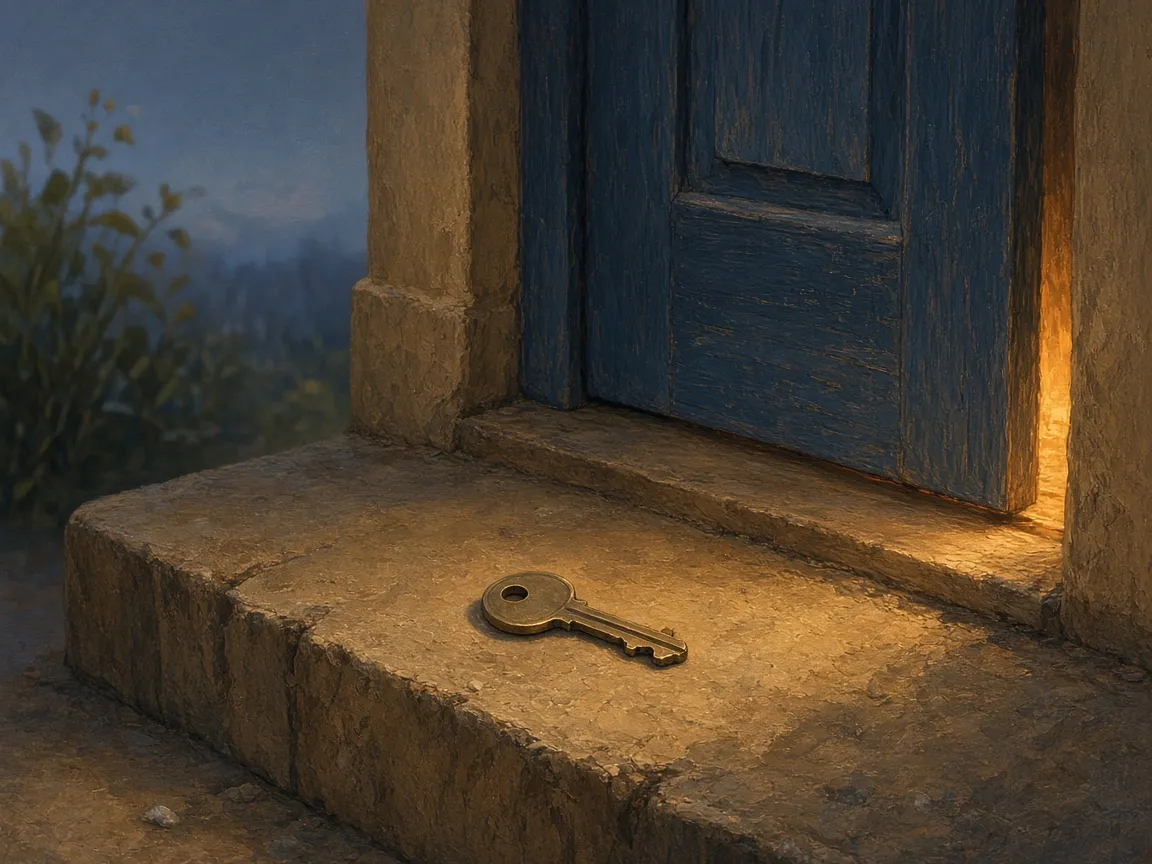
- Leave the key.
"Leave the key" is the one to keep. It's an instruction and an object. Four syllables, a picture, a door. "You were the one" could sit in a hundred other songs. "I don't want you here" names a feeling and gives the mouth nothing to hold.
Write five sentences. Keep the one you could text. That line is the chorus. Everything else is furniture around it.
Four moves that turn the line into a chorus
1. Say it the way you already say it
Speak the line at conversation speed and notice which words you hit harder. Those are the words that should land on the strong beats. Don't add "just," "baby," or "oh" to fill a bar the line doesn't need.
"Leave the key" does not become better as "Tonight I will leave the key for you, my love." The extra words are how a short, singable line turns into a sentence people have to read. If the line feels too short, repeat it. Don't pad it.
2. The next line repeats. It doesn't explain.
A weak second line exists to clarify the first. That's a verse's job. The listener just learned the line. Let them have it again.
- Explains: "Leave the key on the step / I can't do this anymore, it hurts when you're close."
- Repeats: "Leave the key. / Leave the key."
The first version asks them to learn a new feeling before they've kept the instruction. The second version is the chorus. If you want a second idea, make it the same instruction from the other side of the door — "The lock still works" — not a reason. A reason is a verse.
3. Keep that sentence out of the verse
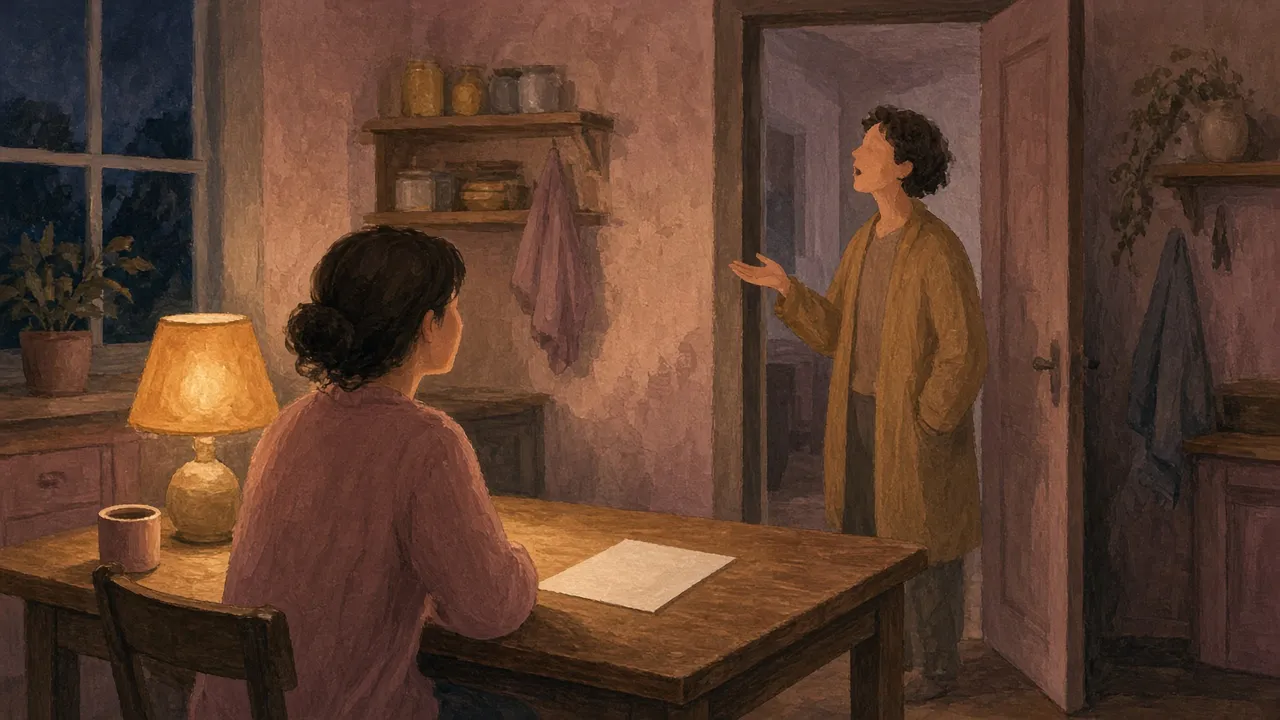
If verse one already says "leave the key," the chorus arrives as a recap. Recaps don't feel like a lift. The verse should show the room and withhold the decision:
Your jacket's on the chair.
The kettle clicked off by itself.
A jacket and a kettle. No instruction yet. The chorus is the decision the verse refused to make. If you find the sing-back line already sitting in verse one, move it. The verse can keep the jacket.
4. Use fewer words than the verse, on purpose
A chorus feels like a chorus because it contrasts with what came before. In a track, that contrast is often a higher melody or a fuller arrangement. On the page, you get it by cutting words. "The kettle clicked off by itself" can live in a verse. It cannot be every line of the chorus.
Put your longest verse line next to your chorus line and count. The chorus line should be obviously shorter. If it isn't, you're still writing verse.
Write it in one sitting
- Five spoken sentences. Keep the one you could text.
- Speak it once and mark the words you stress. Those stay. The filler goes.
- Repeat the line. Delete any second line that adds a fact or a reason.
- Search the verses for that sentence. If it's there, move it down.
- Sing the chorus alone — no verse, no track. Wait a minute. If you can't get the line back, it's still too long.
Check that the chorus is the point, not the verse
When the section is drafted, paste the whole lyric into the lyrics analyzer and read what it thinks the song is about. If it describes the jacket and the kettle and barely touches the line you meant people to sing, the chorus isn't carrying the song yet. The tool is a second read on whether the point landed in the chorus. It won't tell you which line a person remembers — sing it for someone after.
FAQ
How long should a chorus be?
Usually two short lines, often the same line twice. If you're counting music, four to eight bars is the common range. Length isn't the test. A stranger's memory is. If they can't keep it after one hearing, cut words before you add a third line.
What's the difference between a chorus and a hook?
The hook is the phrase you want stuck — often the title, often inside the chorus. The chorus is the section around it: that phrase, the repeat, and the drop in word-count away from the verse. A hook can show up in an intro. The chorus is where you ask the listener to sing it with you.
Should I write the chorus or the verse first?
Write the sing-back line first, even if a verse already exists. A finished verse feels like progress, and it's where a chorus that isn't one yet goes to hide. Once the line exists, the verse gets easier, because it finally has something to withhold.
Why does my chorus sound like every other song?
The sentence was a slogan. "You were the one," "I can't live without you," "we were meant to be" — those sing back as a type of song, not as yours. Swap the slogan for an instruction or an object this situation actually needs. "Leave the key" belongs to a door. "You were the one" belongs to anyone.
Start Your Song Lyrics Review Journey Today
Join thousands of music lovers who are mastering the art of song lyrics analysis.